
How To Market YouTube Content For Real Results: Beyond Publishing – Part 2

Picture of Sinuhé González
Sinuhé González

Data Strategy and YouTube Audience Insights, Touchstorm & Touchstorm DATALabs

How to market YouTube content for real results

Why is your YouTube content marketing failing to drive results?

Publishing a video is not distribution. Most branded YouTube content strategies fail because teams treat publishing as the finish line rather than the start of content marketing.

Even a high-demand, beautifully produced video will fail if nobody clicks or stays past the opening seconds. Succeeding on YouTube requires balancing two distinct operational halves: 

Part 1 (Topic Selection): Finding topics with high search demand, proven platform fit, and winnable competition. 

Part 2 (Content Marketing): Packaging the video to earn the click, structuring the hook to hold retention, and iterating packaging post-launch. 

Making the right video is only half the battle; content marketing is the second half.

How do you make more people choose your video?
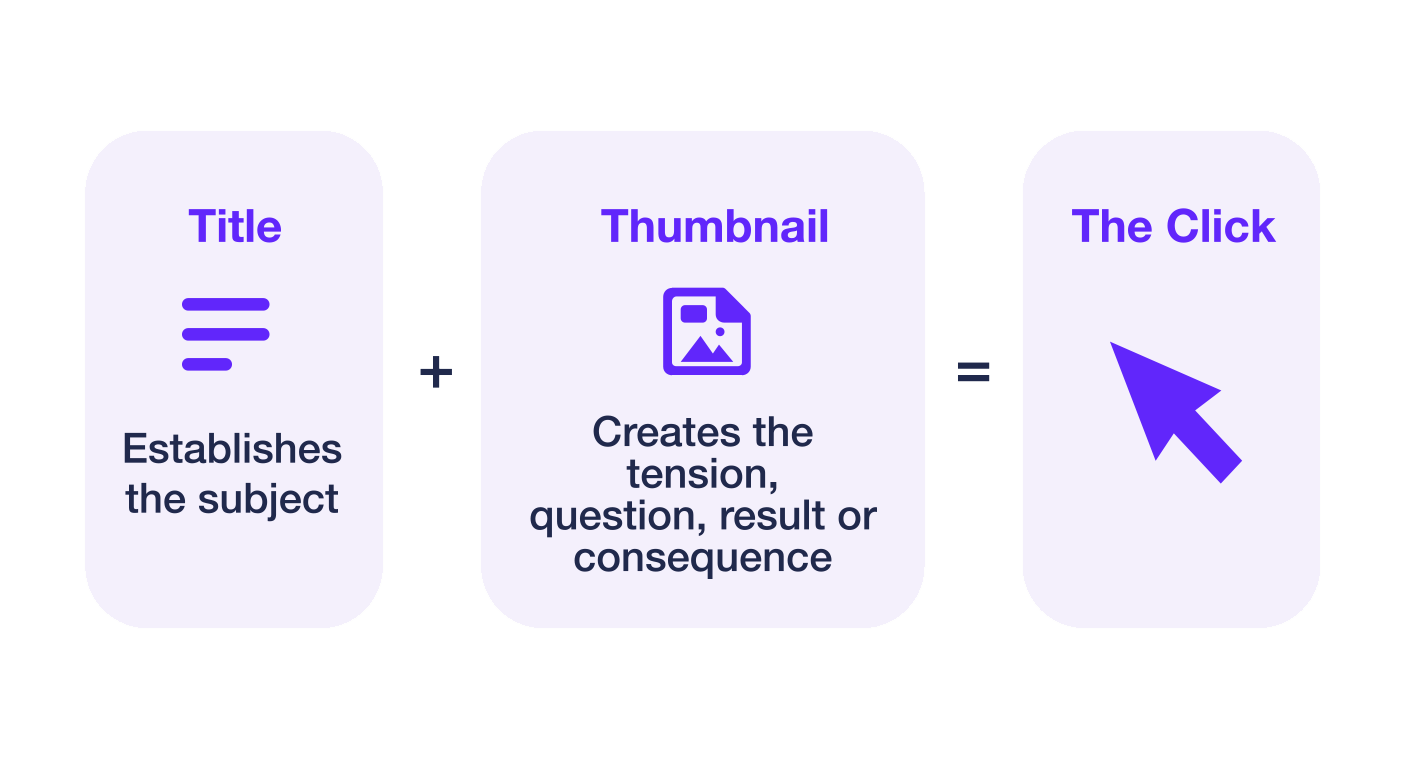
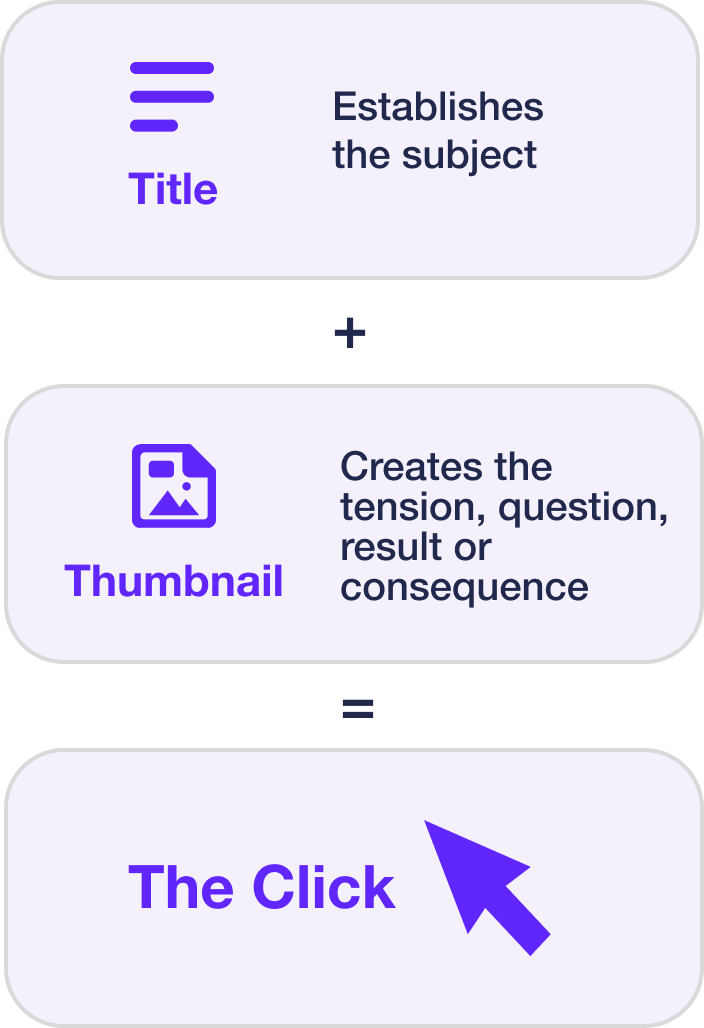
Before a viewer watches your video, they evaluate its packaging. Earning the click requires tight coordination between your Title, your Thumbnail, and the viewer’s Expectation.

1. The Title Strategy: 

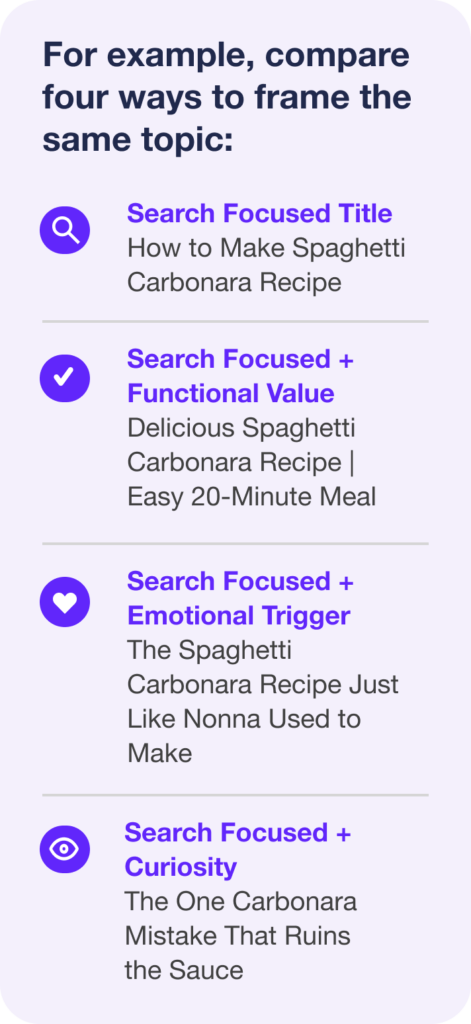
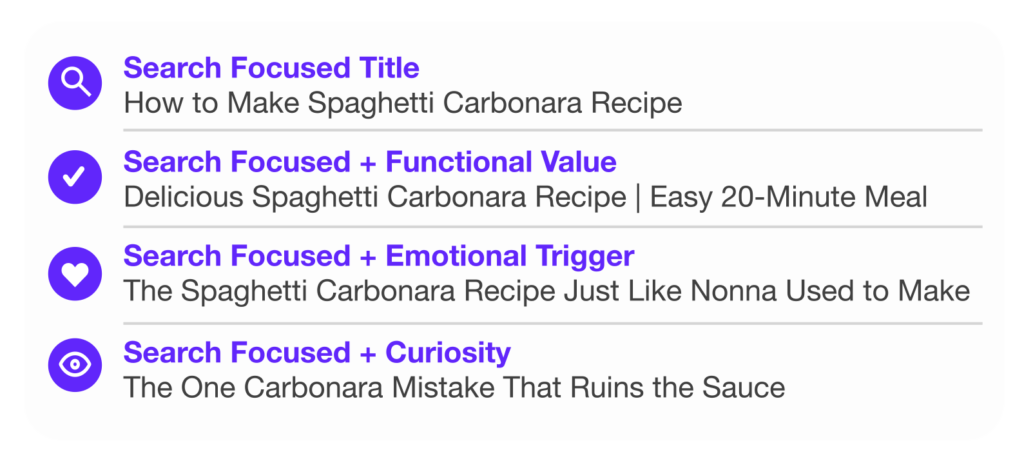
A strong title front-loads value and gives the viewer a clear reason to stop scrolling. When titling branded content, four primary frameworks drive performance: 

– Search-Focused: Optimizes directly for query matching (e.g., How to Make Spaghetti Carbonara). 
– Search-Focused + Functional Value: Pairs search terms with a clear benefit (e.g., Easy 20-Minute Meal: Spaghetti Carbonara).
– Search-Focused + Emotional Trigger: Adds an outcome-driven hook (e.g., Delicious Spaghetti Carbonara Recipe). 
– Search-Focused + Curiosity: Leverages a knowledge gap (e.g., The One Carbonara Mistake That Ruins the Sauce). 

For example, compare four ways to frame the same topic

2. The Thumbnail Execution: 

A strong thumbnail must be legible on a mobile screen, credible on a television, and visually clear without requiring the viewer to decode a miniature advertisement. 

The Core Rule of Packaging: The title and thumbnail must never simply repeat each other—they must complete each other. One establishes the subject; the other establishes the context, emotion, or payoff. 

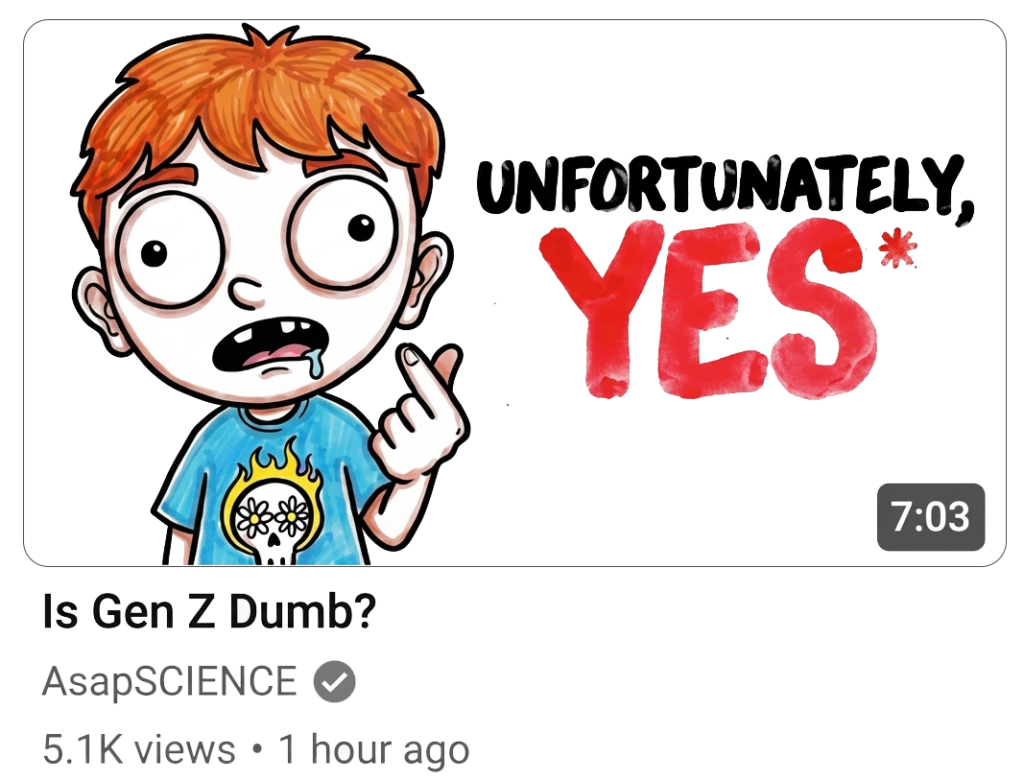
Packaging Framework in Action:

Title: Is Gen Z Dumb? 
Thumbnail Text: Unfortunately, Yes.

Why It Works: The title asks a bold question, and the thumbnail delivers the punchline, forcing curiosity. 

Illustration showing a positive yes reaction to YouTube content promotion

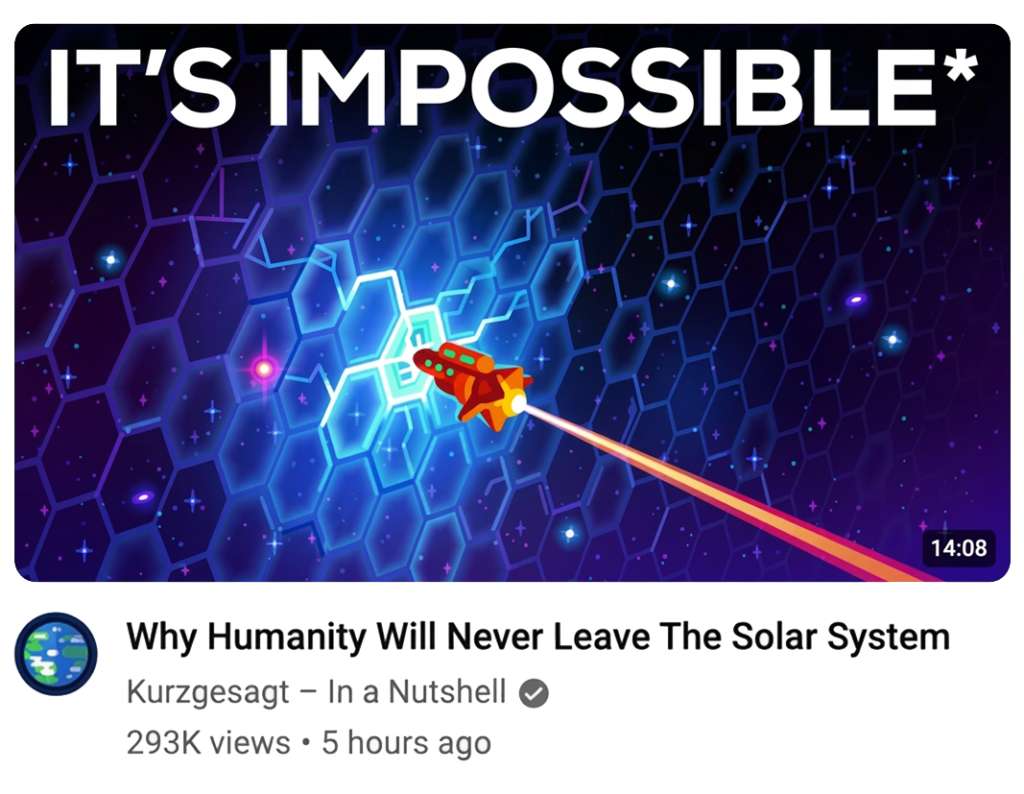
Title: Why Humanity Will Never Leave the Solar System 
Thumbnail Text: It’s Impossible.

Why It Works: The title states a massive claim, and the thumbnail reinforces the absolute boundary, driving high click intent.

Illustration representing the difficulty of getting YouTube content noticed

The strongest choice depends on the audience and traffic source. You no longer have to guess which title or thumbnail will work best. On eligible long-form videos, YouTube Studio can test up to three variations for you and determine the winner based on watch time.

  One final note on CTR: it’s a rate, not a performance score. A video can have an excellent CTR and still generate very few views if YouTube is only showing it to a small, highly interested audience. For example, a 10% CTR on 1,000 impressions produces far fewer impression-driven views than a 4% CTR on one million impressions. A high CTR, by itself, does not mean a video is winning.

The reverse often happens when a video takes off. As YouTube shows it to more and more people beyond its core audience, CTR will naturally tend to fall. That is not necessarily a problem: the video may be converting a smaller percentage of a dramatically larger audience and generating far more views as a result. CTR matters—but it has to be read alongside impressions and views.
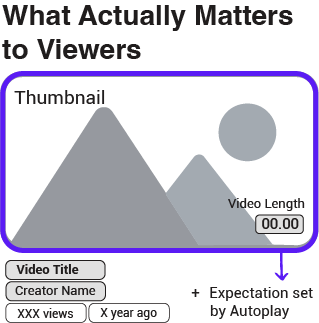
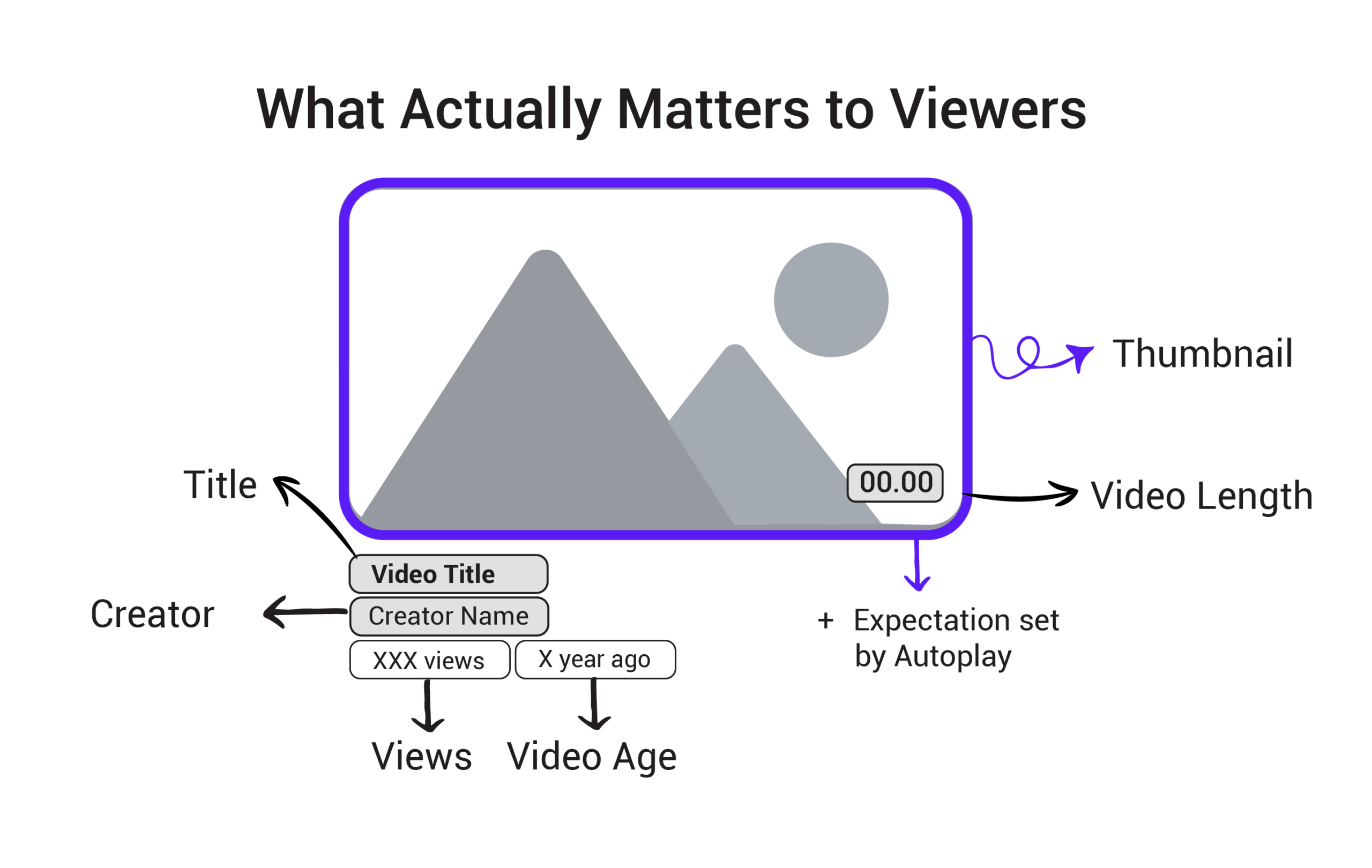
The goal is not to manufacture the most clicks. It is to set the clearest compelling expectation and attract viewers who will actually value the video.

How do you earn more impressions and distribution on YouTube?
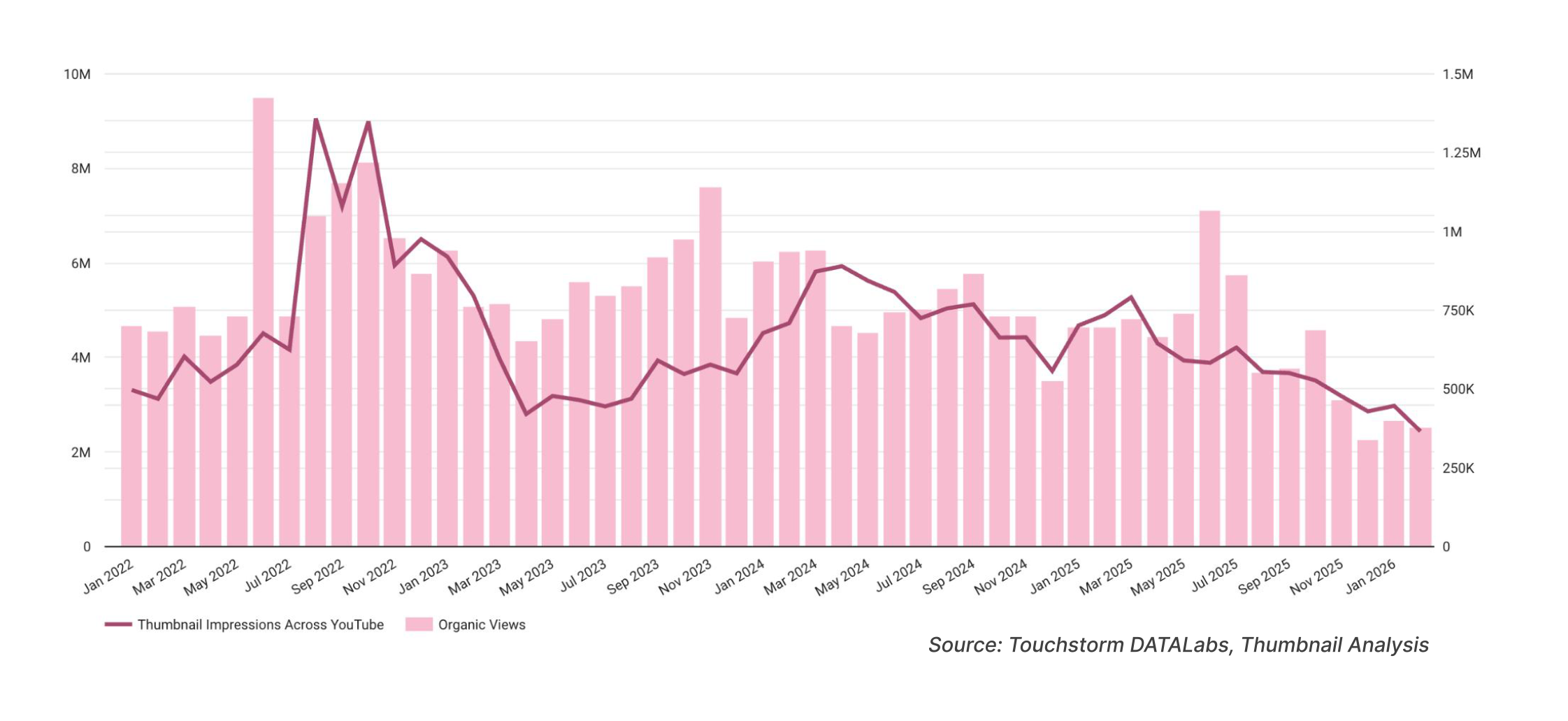
An impression is recorded when a thumbnail appears on eligible YouTube surfaces. It represents an opportunity to be chosen, not a guaranteed view. As YouTube learns which viewers are likely to enjoy a video, its reach may expand or plateau based on relevance, competition, audience fit, and how people respond when the video is offered.

This is why CTR cannot be read in isolation. A video with limited impressions may show a strong CTR because it has only reached a narrow, loyal audience. As distribution expands to colder viewers, CTR often falls. That decline is not automatically failure; it can be evidence that the video is reaching beyond the people most likely to click.

Impressions and views are closely related, but they are not interchangeable. Not every view begins with a registered YouTube impression. Views from external websites, notifications, end screens, and some other sources can be counted as views without appearing in impression totals. That is why, although rare, organic views could technically exceed registered impressions.

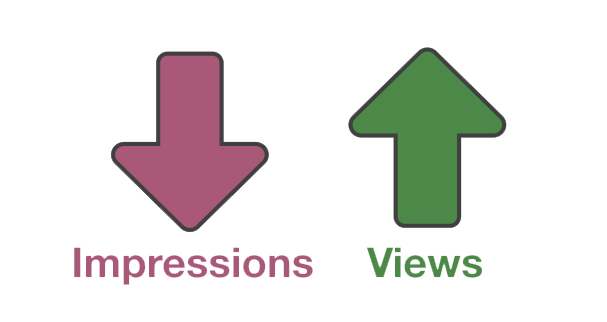
When impressions decline but viewership gains momentum:


  • External and Non-Surface Drivers
  • Better Packaging Efficiency
  • End screens / playlists driving the next view
YouTube performance patterns associated with positive impressions
  • External and Non-Surface Drivers
  • Better Packaging Efficiency
  • End screens / playlists driving the next view

External and Non-Surface Drivers

Audience interest is flowing from the Shorts feed, notifications, or direct links – paths that satisfy demand without triggering a thumbnail impression.

Packaging Efficiency

The video is earning fewer chances to be seen but converting them better, a sign the title and thumbnail are landing with the right audience.

Built-in Continuity

The “next view” strategy is working. End screens and playlists drive deep engagement from existing traffic, no new discovery required.

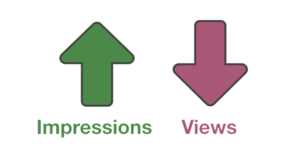
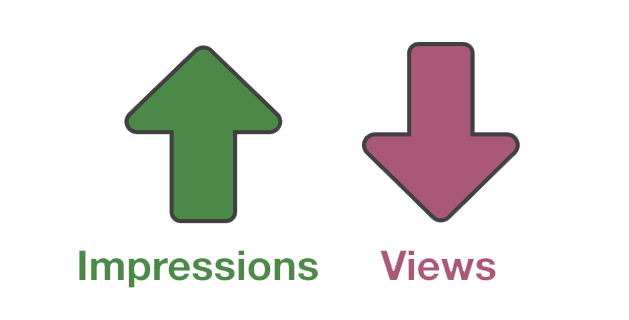
When impressions expand but viewership falls behind:


  • Click-through rate declined
  • Experimental Audience Fit
  • Discovery shift
YouTube performance patterns associated with negative impressions
  • Click-through rate declined
  • Experimental Audience Fit
  • Discovery shift

Click-through rate declined

YouTube is providing more impressions, but fewer viewers are choosing to click.

Experimental Audience Fit

YouTube is offering the content to a broader, colder audience that hasn’t yet proven it values the topic or the brand.

Discovery Shift

Changes in where your videos appear or who sees them are reducing the percentage of people who click.

The useful question is not simply, did impressions rise? It is: What changed in the relationship between reach, click behavior, watch behavior, and traffic source? That is where the diagnosis lives.

Explore our comprehensive analysis on earning citations in AI search for a more granular look at navigating this frontier.

How do you keep viewers watching your YouTube videos?
Click-Through Rate (CTR) measures how effectively your title and thumbnail convert impressions into views. The algorithm relies heavily on initial CTR signals to determine whether to push a video to a broader audience. 

However, many brands fall into the trap of making minor, timid changes or expecting instant results.

What Data Tells Us About CTR Testing

Take Bigger Creative Swings: Swapping a font color or tweaking a minor background detail rarely moves the needle. Brands must test distinctly different framing concepts, such as swapping a functional angle for a curiosity-driven angle, to see meaningful CTR shifts. 

Give Packaging Time to Settle: Changing thumbnails every 24 hours ruins performance data. A thumbnail needs to settle in the market for several weeks so the algorithm can test it across different audience segments (subscribers vs. new viewers). 

Contextualize CTR Metrics: A high CTR on a small niche audience is good, but when a video goes viral, its overall CTR naturally drops as impressions expand to broader audiences. True optimization evaluates CTR alongside impression volume. 

How to structure a video to retain viewers after the click?

Video structure creates the main reason to stay; the first 30 seconds of your edit must deliver on that promise immediately.

If a viewer clicks a curiosity-driven thumbnail, but the video opens with a 15-second branded logo animation or a slow corporate introduction, the viewer bounces, killing your watch time and algorithm distribution. 

Master the Cold Open: Jump directly into the payoff or core premise within the first 3 seconds. Confirm to the viewer that they landed in the right place before running any intros. 

Eliminate “Cold Closes”: Avoid classic wrap-up phrases like “So yeah, that’s about it…” or “In conclusion…” Signaling that the video is ending causes massive audience drop-off in the final minute, degrading your overall watch-time percentage. End cleanly and direct viewers immediately to the next video.

Watch time and retention matter, but neither is the entire definition of success. YouTube evaluates whether people chose the content, stayed engaged, and appeared satisfied with the experience. The correct goal is not to stretch every video. There is no universal ideal length. The video should be exactly as long as the topic requires and no longer.
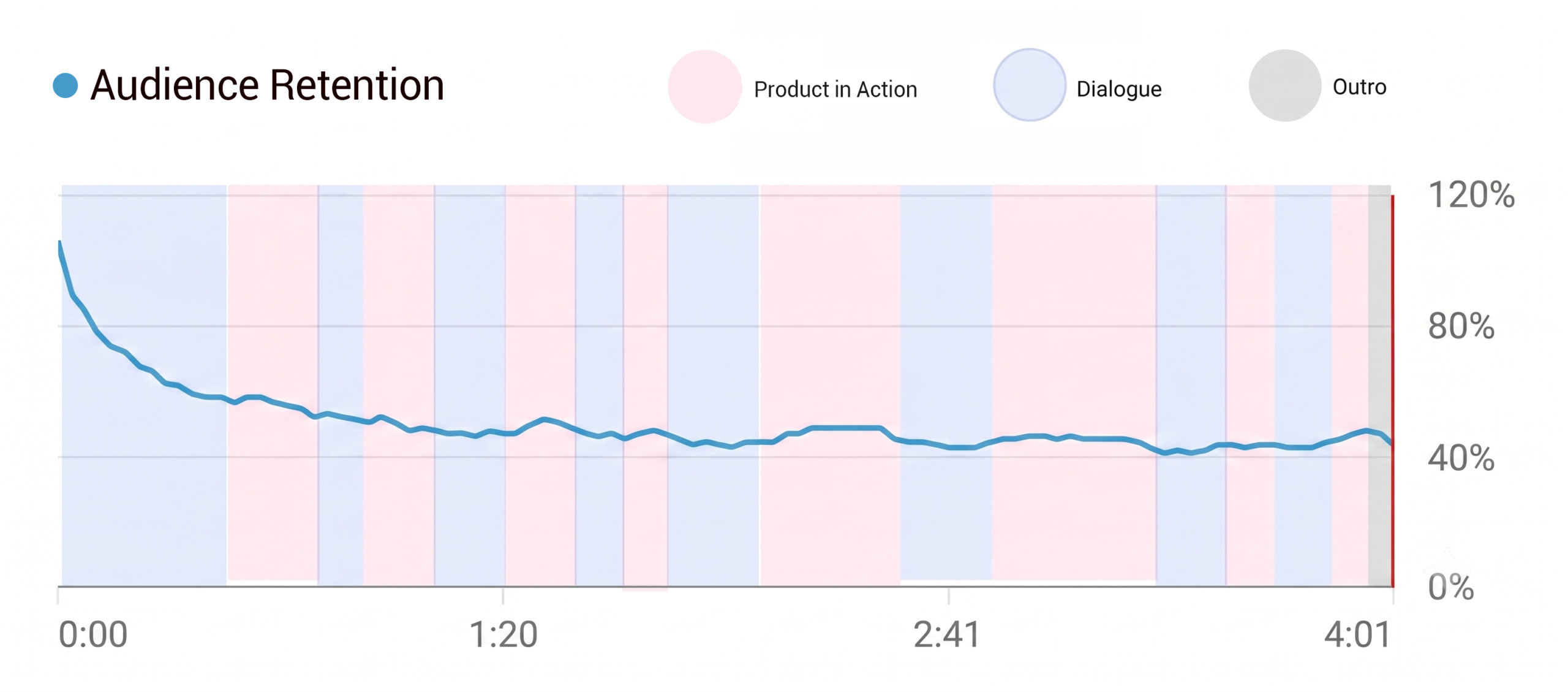
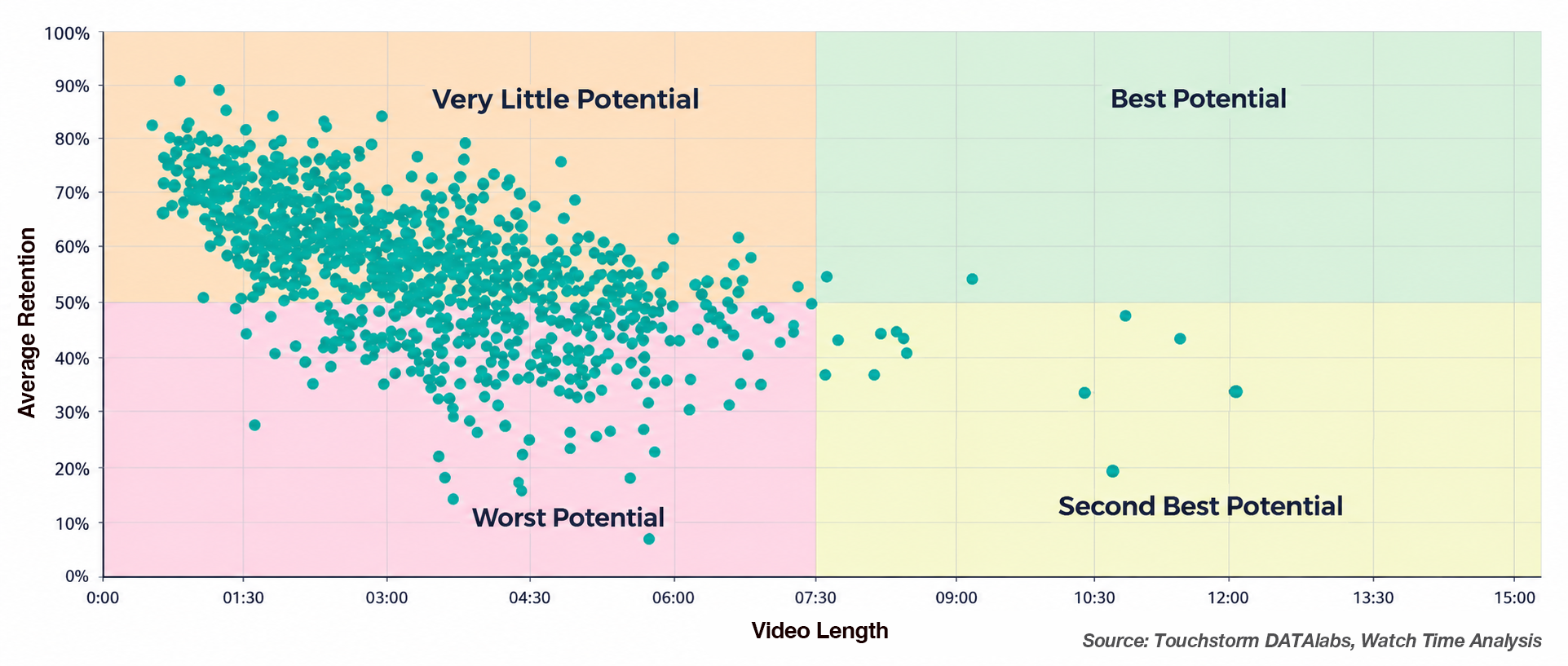
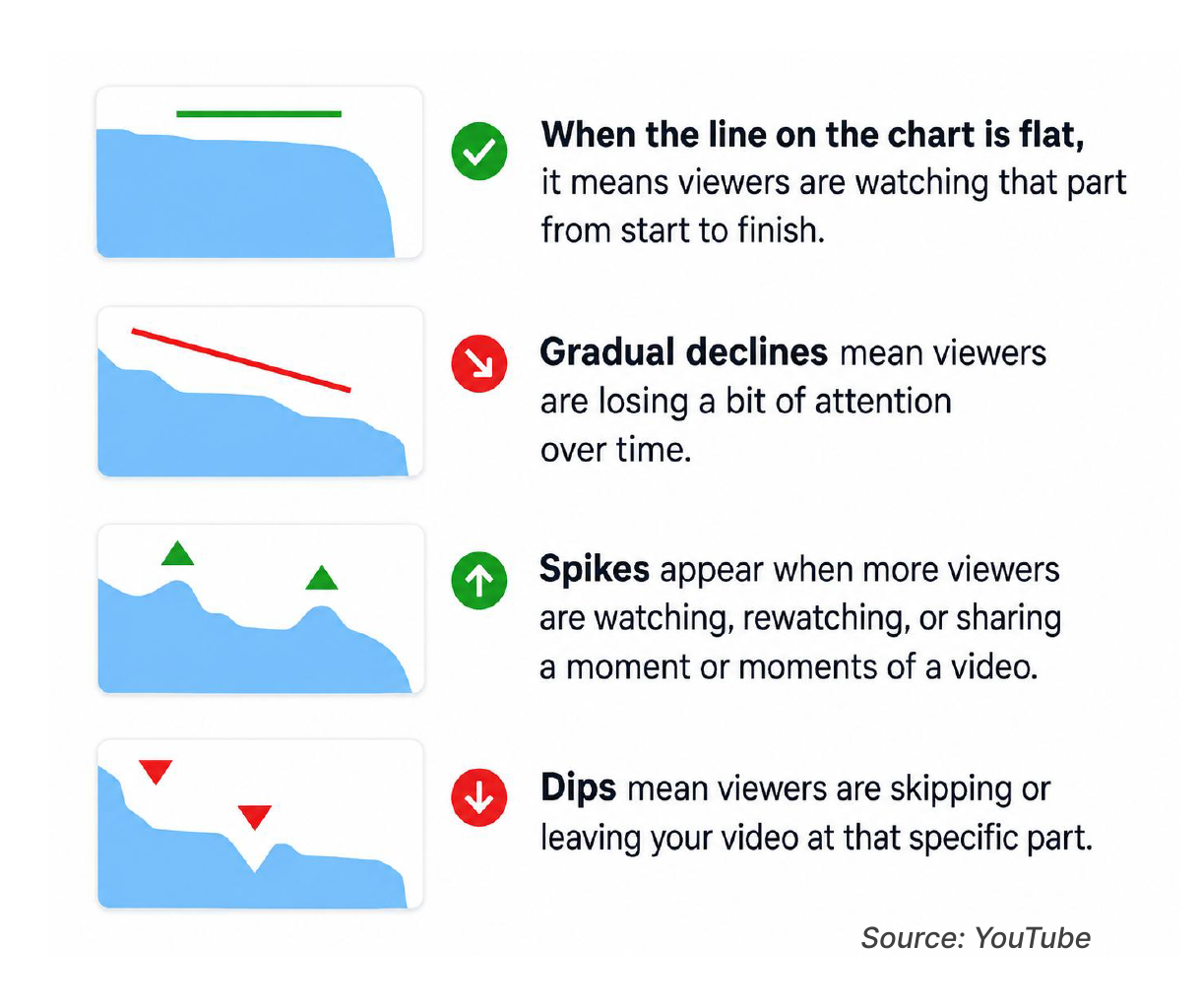
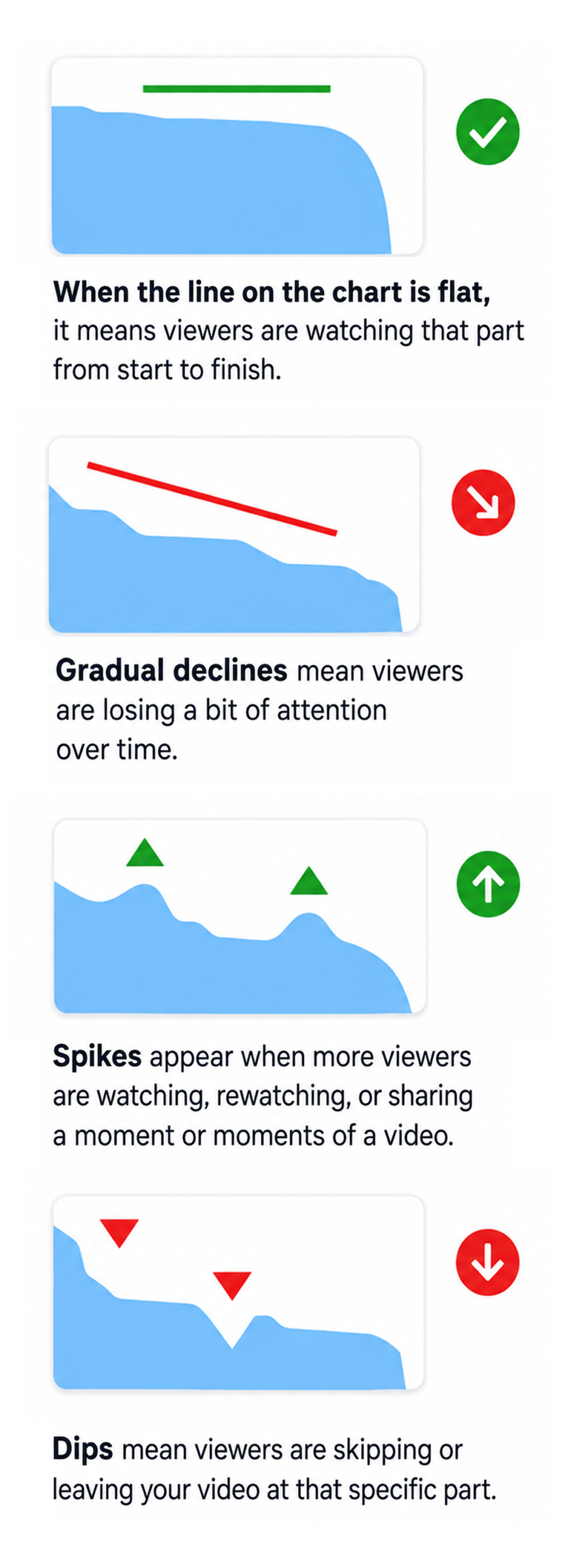
An ideal video retention graph remains high and flat. In this real-video example illustrated above, we identified key segments in the video where retention dropped. By analyzing dips, we can pinpoint exactly when viewer interest declines—such as during an introduction. In this case, all fluctuations in retention correlated with specific dialogue or on-screen action. Recognizing these patterns provides actionable insights that help our brand partners refine their future production choices that support watch time and discoverability.

Our Watch Time Potential model adds another layer by evaluating video duration alongside average percentage viewed:

Best Potential

Longer videos that also retain viewers strongly, driving the highest total watch time potential.

Second-Best Potential

Longer videos with moderate retention that build more watch time than high-completion clips.

Very Little Potential

Videos with solid retention but too little duration to accumulate meaningful watch time at scale.

Worst Potential

Short videos with weak retention, limiting engagement depth and proof of delivered value.

This is not an argument for padding videos. It is an argument for choosing a format and length that give the idea enough room to pay off.

How do you design the next view to keep the audience engaged?

The absolute strongest signal you can send to the YouTube algorithm is proving that your video makes a viewer spend more time on the platform. While getting viewers to click is vital, what they do after they click is what secures long-term success.

Build related videos into series. Organize playlists around what viewers want to accomplish, not how your company is organized. Use end screens, cards, pinned comments, and descriptions to point viewers toward the next logical answer. Replace the generic “subscribe for more” with a specific recommendation that continues the journey.

The goal is not to trap people on the platform. It is to make your channel more useful. When one helpful video naturally leads to another, the viewer gets more value and the brand builds a deeper pattern of engagement.
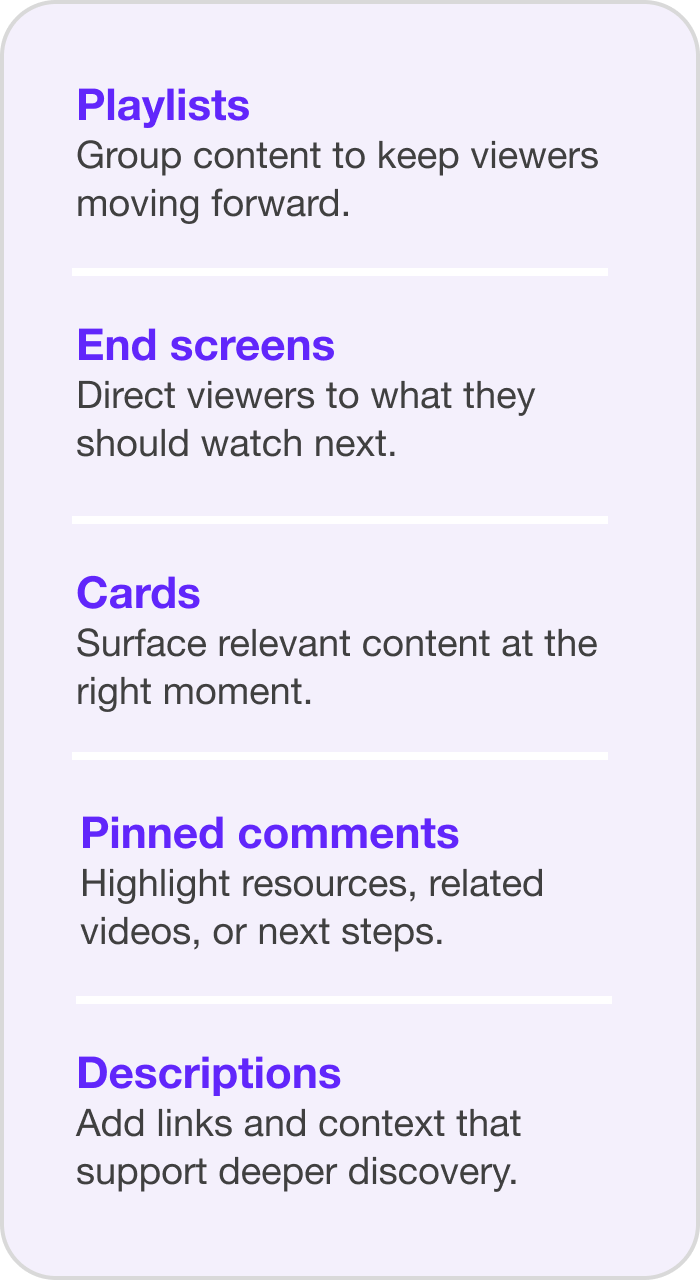
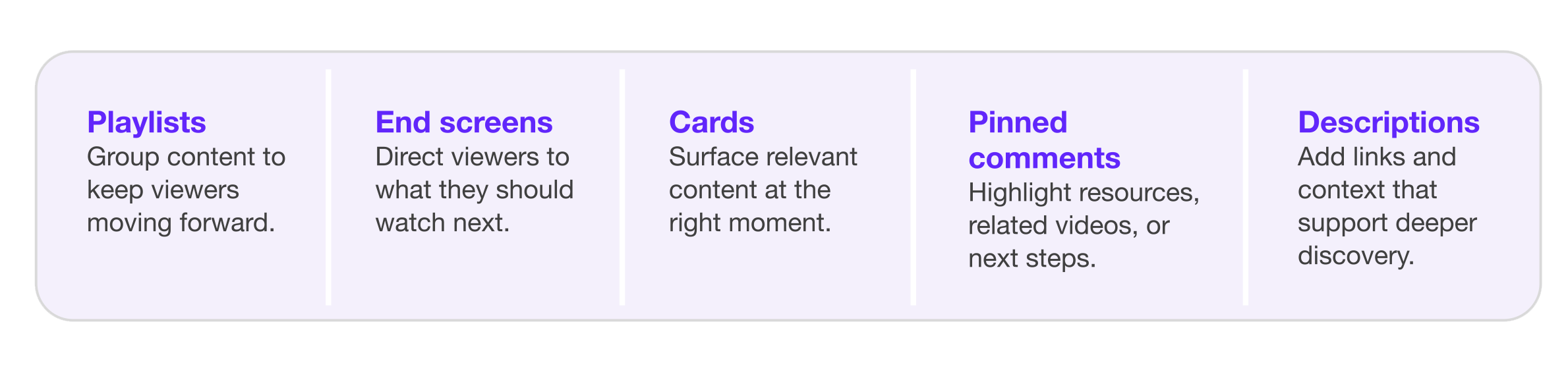
Don’t just ask viewers to subscribe. Get them the next logical answer.

YouTube content marketing performance metrics

YouTube Does Not Owe Brands Attention
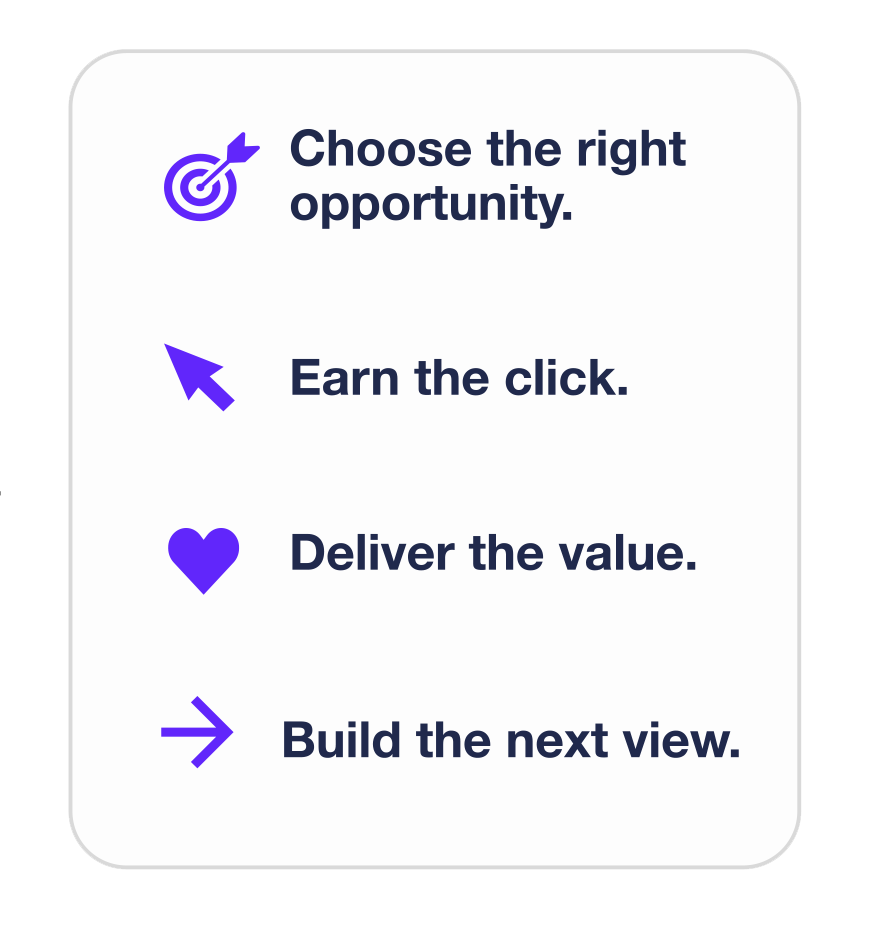
Most brands lose on YouTube for the same two reasons: they make content based on internal supply instead of audience demand, and then they publish it without a system for earning the click, the watch, the distribution, or the next view.

The fix is not more content. It is a better operating system. Use data to choose the right opportunities. Package each video with clarity and curiosity. Deliver on the promise immediately. Read audience behavior without worshipping a single metric. Build a library that helps people move from one useful answer to the next.

YouTube does not reward brands for showing up. It rewards videos people choose, value, and want more of. That may sound unforgiving. It is also the opportunity.

Let’s future-proof your YouTube Strategy

Touchstorm helps enterprise brands stop wasting production budget on low-demand topics. Connect with our YouTube Strategy Team to analyze your category’s search demand.

FAQs – How to promote a YouTube video to win?

Getting more organic views requires more than publishing consistently. Your videos need to earn impressions, convince people to click, and hold their attention. Strong titles and thumbnails improve clickability, while compelling content encourages viewers to keep watching. Search optimization and strategic cross-linking can also help more people discover your videos.

There is no universal CTR that guarantees success. A high CTR from a small, loyal audience may generate fewer views than a lower CTR from a much larger audience. Evaluate CTR alongside impressions, views, traffic sources, and watch time to understand whether your content is reaching and engaging the people you want to reach.

Start by giving viewers a compelling reason to click. Your thumbnail should communicate an interesting visual idea, while your title establishes the topic, value, or curiosity that makes the video worth watching. The two should complement each other rather than repeat the same information. Test different approaches and use performance data to understand what resonates with your audience.

Start by examining where viewers lose interest. Weak introductions, slow pacing, unnecessary explanations, and poorly structured content can all cause viewers to leave. Audience retention graphs help identify these moments so you can make informed creative decisions. The goal isn’t simply to make longer videos. It’s to make videos that earn more of the viewer’s attention.

YouTube recommendations depend on how well a video matches a viewer’s interests and how viewers respond to it. Rather than chasing a single metric, focus on creating relevant content, earning clicks, and delivering a satisfying viewing experience. Strong performance with your existing audience does not automatically guarantee broader distribution.

Make your videos easy for people and search systems to understand. Use descriptive titles, accurate captions for transcriptions, and chapters that clearly identify the questions or topics addressed in your video. Prioritize useful answers over keyword stuffing. Strong SEO fundamentals can also support visibility in Google’s AI search experiences, although no optimization guarantees inclusion or citation.